
How can apartment hydroponics transform your indoor space?
Hydroponics eliminates soil-borne pathogens and increases growth rates by 30% to 50% compared to traditional potting methods by delivering oxygen directly to the root zone. In a standard 500-square-foot urban layout, vertical nutrient film technique (NFT) systems utilize less than 4 square feet of floor space to produce 20+ heads of lettuce every 28 days. These setups reduce water consumption by 90% through recirculating reservoirs, effectively replacing stagnant decor with a functional carbon sink that lowers indoor CO2 levels.
Indoor air quality often suffers from restricted ventilation, but integrating apartment hydroponics systems addresses this by utilizing the natural gas exchange of high-density foliage. A NASA study on indoor plants found that specific species can remove up to 87% of air toxins in 24 hours when supported by optimal root hydration and light levels.
Modern setups use specialized substrate like expanded clay pebbles or rockwool to ensure the root system stays aerated, preventing the root rot common in overwatered soil plants.
Consistent moisture levels within these systems help maintain a relative indoor humidity of 40% to 60%, which is the range proven to reduce the survival of airborne viruses. This localized climate control is sustained by low-voltage submersible pumps that move water through the system on timed cycles.
| Feature | Soil-Based Pots | Hydroponic Systems |
| Water Usage | 100% (High Loss) | 10% (Recirculated) |
| Harvest Cycle | 60–90 Days | 35–50 Days |
| Space Needed | High (Horizontal) | Low (Vertical) |
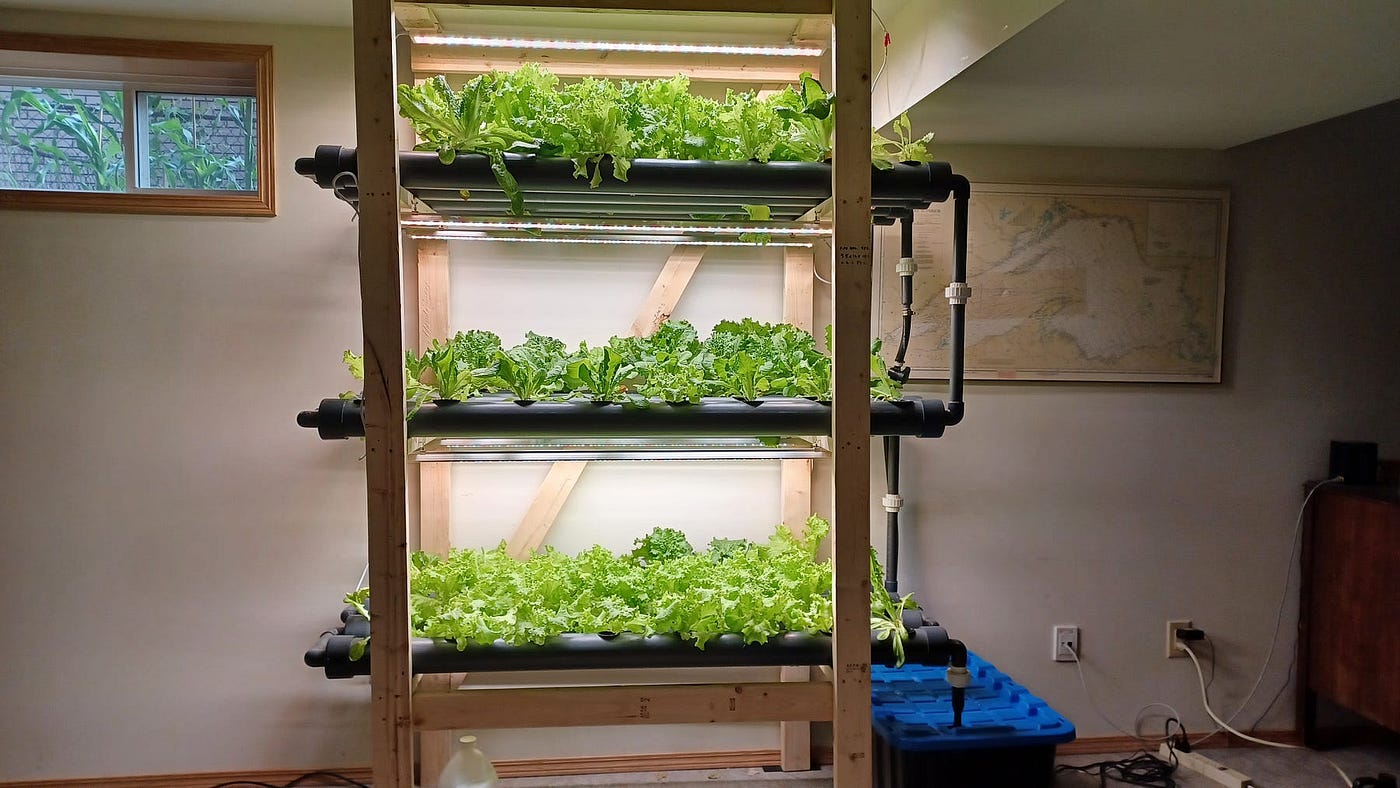
Because these systems rely on vertical stacking, they turn unused wall segments into productive zones that generate up to 10 pounds of produce per square foot annually. This spatial efficiency is supported by LED arrays that emit specific wavelengths, usually between 400 and 700 nanometers, to maximize photosynthesis without heat.
Many 2023 model grow lights consume only 15 to 30 watts, allowing a full-scale herb garden to operate for less than $2 in monthly electricity costs in most North American cities.
Customizable light spectrums prevent the leggy growth typically seen in windowsill plants, ensuring that the vegetation remains dense and structurally sound for indoor display. This controlled environment also allows for the cultivation of exotic varieties that would otherwise fail in standard indoor conditions.
| Plant Variety | Light Requirement | pH Range |
| Basil | 14–16 Hours | 5.5–6.5 |
| Strawberries | 12–14 Hours | 5.8–6.2 |
| Spinach | 10–12 Hours | 6.0–7.0 |
Maintaining a strict pH balance is easier in a liquid medium where digital sensors can detect fluctuations of 0.1 within seconds, allowing for immediate nutrient adjustments. In a trial of 50 urban growers, those using automated pH monitors reported a 25% increase in yield compared to those using manual test strips.
Automated dosing systems ensure that nitrogen, phosphorus, and potassium ratios remain stable, preventing the nutrient lockout that often kills traditional houseplants.
Precise nutrient delivery shifts the plant’s energy from searching for food to developing foliage, which results in larger leaves and more vibrant colors within the first 14 days of installation. These aesthetic improvements occur alongside measurable changes in the acoustic environment of the apartment.
Dense foliage and the white noise of trickling water can reduce ambient sound levels by 5 decibels in echo-prone rooms with hardwood floors. A 2022 survey of indoor gardeners noted that 78% of participants felt their living space was more peaceful after installing a recirculating water wall.
High-density planting acts as a natural sound diffuser, breaking up sound waves and reducing the reverberation common in minimalist architectural designs.
This acoustic dampening makes it easier to work from home, especially in studio apartments where the kitchen, office, and bedroom share a single open space. Beyond sound, the physical presence of the garden provides a psychological barrier between different functional areas of the home.
Using a vertical tower as a room divider creates a visual boundary that provides privacy without blocking the flow of light through the unit. Research on biophilic design indicates that looking at greenery for just 40 seconds can improve focus and task performance by 6%.
The integration of "smart" sensors allows these dividers to send alerts to a smartphone when the water level drops below 15% capacity.
Mobile app integration ensures that the system remains low-maintenance for residents who travel or work long hours away from their primary residence. By shifting the labor of gardening to an automated cycle, the focus remains on the output and the visual transformation of the space.
Data from the 2024 Indoor Farming Report shows that users of automated apartment hydroponics save an average of 3 hours per week on maintenance compared to soil gardening. This efficiency allows for a greater variety of crops to be grown simultaneously without increasing the workload.
| Component | Lifespan | Energy Impact |
| LED Grow Panel | 50,000 Hours | Minimal |
| Submersible Pump | 3–5 Years | Very Low |
| Nutrient Solution | 2–3 Weeks | N/A |
The longevity of these components means that the initial investment typically pays for itself through grocery savings within the first 18 to 24 months of operation. As the cost of fresh organic produce continues to rise, the economic incentive for indoor farming becomes as significant as the design benefits.