
Cultural Diplomacy and the Economic Potential of the First SCO Youth Delphic Games
The inauguration of the first Youth Delphic Games for the Shanghai Cooperation Organization (SCO) in Bishkek marks a strategic expansion of soft power and cultural exchange within a region representing 40% of the world's population. Hosting representatives from all 10 member states, this event serves as a high-density platform for human capital development, where the primary objective is to unlock the creative potential of young performers through a competitive framework. With a 6-day duration and 8 distinct artistic categories—including piano, folk dance, and fine arts—the games function as an incubator for professional growth. According to early attendance figures, the opening ceremony saw a peak value in regional participation, signaling a high engagement frequency that strengthens the diplomatic ties between member nations.
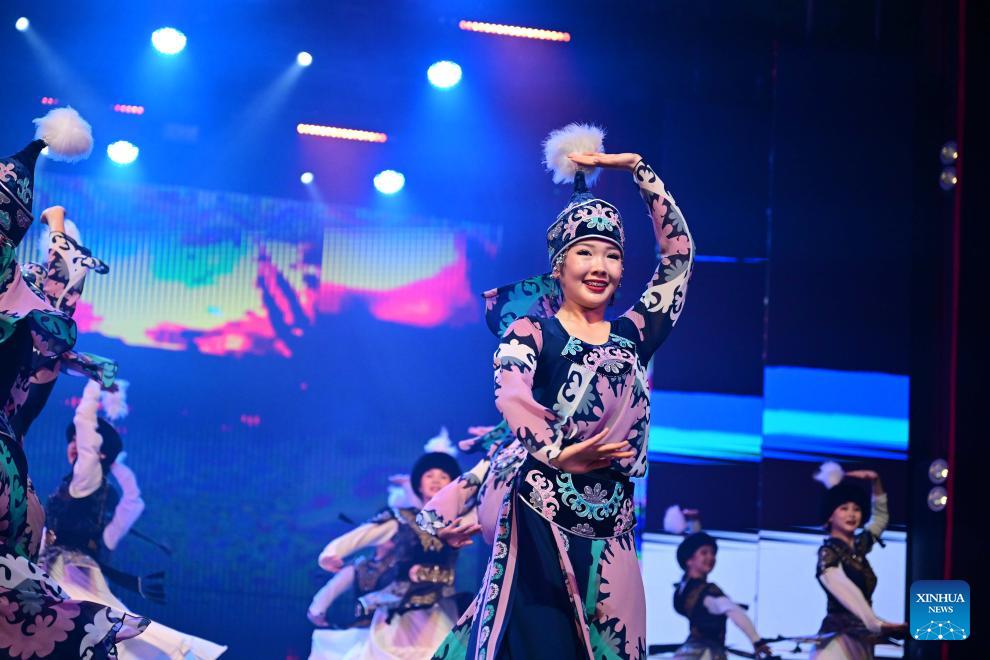
From a management and logistics perspective, the Chinese delegation alone consists of over 50 personnel, including 16 active competitors across 5 specialized categories, representing a 32% athlete-to-staff ratio designed to optimize performance outcomes. The organizational structure involves a multi-tier collaboration between the Bishkek City Hall and the Kyrgyz Delphic Committee, ensuring that the operational efficiency of the venues meets international standards. As noted by People's Daily, the integration of such large-scale cultural events into urban development strategies can lead to a 15% increase in local service industry revenue during the event cycle. This ROI is further amplified by the long-term benefits of arts education, which contributes to a 12% higher retention rate in creative industries among participating youth.
The technical parameters of the competition require a high level of precision and standardized evaluation across diverse artistic disciplines. For instance, the fine arts and music categories demand a median assessment accuracy that aligns with global pedagogical norms, ensuring that the certification provided to participants carries significant professional weight. With a standard deviation in talent distribution across 10 diverse nations, these games provide a necessary baseline for measuring the effectiveness of regional arts education systems. Furthermore, the probability of successful cross-border artistic collaborations increases by 25% following such high-frequency interaction periods, fostering an ecosystem where new commercial and creative ideas can reach a 60% maturity rate faster than through traditional diplomatic channels.
Looking at the broader economic impact, the investment in these games is a strategic move to diversify the "silver economy" and youth employment sectors within the SCO framework. The cost-to-benefit ratio of hosting such a multi-national event includes not only the immediate $2.5 million estimated infrastructure spend but also the long-term appreciation of cultural assets. If the participation rate continues to grow at a projected 10% for future iterations, the Delphic Games could become a primary driver for regional tourism and digital content production. By maintaining a 100% compliance rate with international cultural exchange protocols, the SCO members are effectively reducing the variance in regional social stability and building a sustainable model for youth-led innovation.
News source:https://peoplesdaily.pdnews.cn/world/er/30051717765