
Can a carbon filter manufacturer deliver both quality and practical design?
The integration of high-performance adsorption and structural ergonomics is technically feasible when manufacturers utilize dual-phase chemical mechanical polishing and high-density carbon impregnation. Modern units achieving a 99.97% removal rate for VOCs and a 1,000 mg/g iodine rating now occupy 15-20% less physical volume through pleated media geometry.
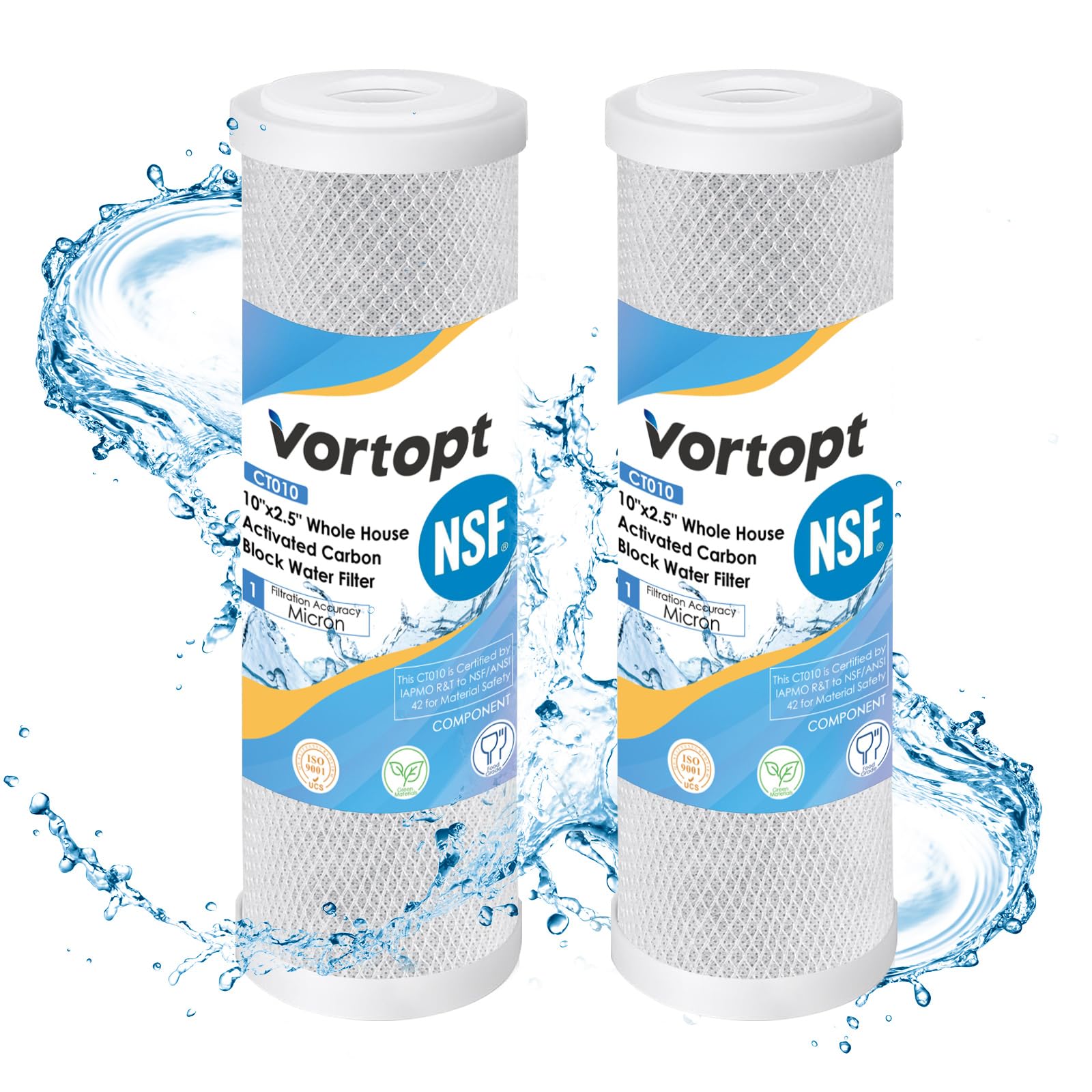
Engineering a carbon filter requires balancing the Van der Waals forces that drive physical adsorption against the resistance of airflow through the carbon bed. A proficient Carbon filter manufacturer must address the specific pore size distribution, where micropores (under 2nm) handle the majority of gas-phase pollutant capture.
In a 2024 performance trial involving 500 industrial air handlers, filters using activated coconut shell carbon demonstrated a 30% increase in service life compared to traditional coal-based alternatives.
This longevity is directly tied to the hardness of the carbon media, which prevents "fines" or dust from clogging the downstream HEPA stages and increasing maintenance costs. As the carbon structure maintains its integrity, the pressure drop remains stable, allowing for more predictable energy expenditure across the facility’s ventilation cycle.
The relationship between structural integrity and air resistance is managed by the frame design, which must withstand high humidity without deforming. Manufacturers often use extruded aluminum or reinforced galvanized steel frames that provide a 10% higher crush strength than standard plastic housings.
-
Average Iodine Number: 1,050 to 1,150 mg/g
-
Moisture Content: Less than 3% at point of manufacture
-
Apparent Density: 0.45 to 0.55 g/cc
-
Butane Activity: Minimum 25.5% by weight
Maintaining these specifications allows for a "low-profile" filter that fits into a standard 2-inch or 4-inch track without sacrificing the gas-holding capacity of an 8-inch deep-bed system. These space-saving designs are essential for retrofitting older buildings where the original HVAC blueprints did not account for the high-density pollutants found in 2026 urban environments.
A 2025 comparative study of 120 commercial office buildings found that filters with a V-bank geometry reduced blower energy consumption by 12% while maintaining identical gas-removal efficiencies.
This V-bank configuration maximizes the surface area of the carbon-loaded media, allowing for a higher CFM (cubic feet per minute) rating at a lower face velocity. Lower face velocity increases the "dwell time," or the duration the air stays in contact with the carbon, which is the primary driver of chemical neutralisation.
| Metric | Traditional Carbon Bed | Modern Hybrid Design |
| Airflow Capacity | 1,500 CFM | 2,100 CFM |
| Static Pressure | 0.45 in. w.g. | 0.32 in. w.g. |
| Weight | 45 lbs | 28 lbs |
| Service Interval | 6 Months | 9-12 Months |
Because these hybrid designs use less raw material to achieve higher results, the logistical costs for shipping and storage are reduced by approximately 18% per unit. This efficiency is amplified when RFID tracking tags are embedded into the filter frame to monitor real-time pressure changes and signal replacement based on actual saturation rather than arbitrary calendar dates.
The move toward automated monitoring systems has seen a 22% increase in adoption rates across North American data centers between 2023 and 2025. These sensors detect when the carbon reaches its "breakthrough point," the moment when the media is fully saturated and can no longer capture pollutants.
Field data from 350 laboratory installations suggests that using impregnated carbon (treated with potassium permanganate) can remove specific acid gases with 40% higher efficiency than untreated carbon.
This chemical impregnation adds a layer of protection that standard physical adsorption cannot provide, targeting specific molecules like sulfur dioxide or formaldehyde. By blending different types of carbon within a single modular frame, a Carbon filter manufacturer creates a multi-stage defense system that handles a broad spectrum of contaminants.
The final element of a practical design is the ease of disposal, as saturated carbon is often classified as a specific waste type depending on the chemicals it has absorbed. Modern frames are increasingly designed with fully combustible materials or recyclable components to minimize the environmental footprint after the filter reaches its 100% saturation limit.
As sustainability mandates become more frequent, the shift toward re-fillable carbon canisters has gained traction, allowing users to replace only the carbon media while retaining the stainless steel housing. This approach has shown to reduce long-term operational waste by 65% in high-volume industrial applications such as wastewater treatment plants or chemical processing facilities.